

Why You Should Hire SEO Experts
Hiring SEO experts can assist you in increasing your website's traffic and rank higher on search engines.
A variety of companies in London provide SEO services. It can be difficult to find the best one for you.
To find the most suitable match for your goals You should look at top-performing businesses. Here are some tips to help narrow down your choices.
Website Audit
A Website audit is a thorough assessment of your site's performance to determine areas that need improvement. It includes technical SEO issues and keyword research, as well as content strategy and much more.
It also helps to determine the effectiveness of your current marketing and SEO campaigns. It will help you to refocus your efforts on the user experience in addition to conversion optimization and results for engines.
seo experts london could increase conversions and sales. The key is figuring out how to optimize it so that visitors are able to move on in their journey.
Additionally, the appropriate design and structure of your website will make it easier for users to find the information they need. It will also ensure that you aren't paying for features that users do not want.
Having a website that is easy for people to navigate and find what they're looking for is a big element in how long users spend on your site. A website audit will assess how well your layout and navigation functions for your users and decide if you should change it.
Another benefit of a site audit is that it could help you build trust with clients and customers. It also gives them an understanding of your expertise in the field and explain why you're the most suitable choice for their needs.
As an SEO consultant, you need to keep up-to-date with the most recent changes to SEO to be able to provide a solution that will be beneficial to your company as well as your customers. You can do this by assessing the goals of your client and providing them with actionable ways to improve their site.
Keyword Research
Keyword research is an essential aspect of SEO. It assists you to find keywords and phrases that are relevant to your business. It also allows you to optimize your website according to the keywords you have identified to help it to rank well in search engines.
The first step in your keyword research is to find the people you want to target. This can be accomplished using different methods, like listening to customers during sales calls or reviewing their email submissions.
Another option is to use tools like SpyFu to uncover your competitors. This will enable you to look at their SEO strategies and determine if yours are as efficient.
When it comes to identifying keywords, it's important to focus on long tail terms which are less competitive and have a large search volume. This will make it easier to rank for those keywords and drive traffic.
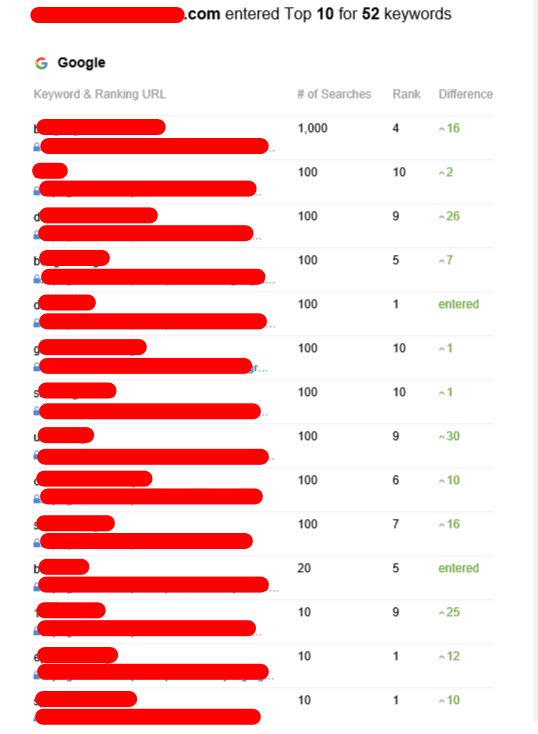
Once you've uncovered a few of relevant keywords, you can use the information to create content that will attract visitors and turn them into customers. This can be done by blog posts or landing pages.
You can also use tools that help you find keyword ideas that are hot in your field. These tools include Google Trends and AnswerThePublic. AnswerThePublic uses search listening to provide new keyword ideas based on Google auto-suggest data.
Once you have a list of keywords it's time for you to research your competitors and determine the keywords they are using. This can be accomplished using a variety of tools like Ahrefs or Moz. Both of these provide a wide range of keyword research tools, including their keyword explorer tool as well as keyword report.
On-Page Optimization
On-page optimization refers to the process of improving your website's content so it ranks higher in search engines. This can include updating titles, headers, or content to match specific keywords. It also includes improving page speed to ensure pages load quickly and efficiently.
On-page SEO is a crucial component of any search optimization strategy as it helps Google comprehend your web content. When done correctly, it can result in increased organic traffic, conversions, and revenue.
Title tags and meta descriptions are two of the most crucial SEO elements on the page that you must optimize. They're a headline as well as an explanation of your site's content that appear in search results. Optimizing both will increase your Click-Through Rate (CTR) and boost your ranking in the results of the search.
H1 and its subheadings are a different SEO best method that assists visitors in skimming your website faster which increases the chance that they will get the information they need. They aid Google recognize the hierarchy of your content so that you can maximize the results of your search engine.
The content you put on your web pages is the primary aspect of on-page SEO since it provides users with answers and search engines with context. Using this knowledge, you can create web pages that are equally useful to people as they are for search engines.
On-page SEO begins with finding the keywords your targeted customers will use to find your products and services. These keywords will be the basis of your overall SEO strategy.
Off-Page Optimization
It is vital to implement a solid SEO strategy that includes both on-page and off-page strategies to rank highly on search engines. Both of them work together to increase your site's visibility on search engines and rank.
On-page SEO is a term used to describe the various methods you employ in order to optimize your content for search engines and increase the quality and relevancy of your content. On-page SEO strategies include making sure your content is tagged with relevant keywords including optimizing title tags and image optimization, among other things.
Off-page SEO refers to the various activities you can undertake outside of your website that can influence its ranking in search engines. This includes link construction and social media marketing. content syndication, and other activities.
Off-page SEO can help you gain domain authority. This is one of the most important aspects Google takes into consideration when ranking websites. A higher domain authority means your website is considered to be more trustworthy and reliable by search engines.
The most effective way to gain domain authority is by building links from relevant, high-quality sites with a strong level of authority. This can be accomplished through guest posts on blogs and social media outreach.
You can also earn a lot of links by creating amazing content that other people want to share, which can increase your brand's exposure as well as visibility. Make sure that your content is unique and up-to-date if you're a content creator. Search engines will find it relevant.
Link building is a popular method for small businesses as well as top brands. It's an off-page SEO tactic that you should be aware. Link development can be a powerful and lucrative way to drive visitors to your site, but you need to make sure you are getting the right type of links.
Social Media Marketing
Social media marketing is the process of posting content on social media sites and gaining new followers. It's a good way to increase exposure for your brand and connect with potential customers. It also offers an opportunity for businesses to interact with their audience and get feedback about their products and services.
It is crucial to develop an effective strategy for social media to assist your business in achieving its goals. A strategy should include specific goals and objectives, as well as a schedule for executing the plan.
A solid social media strategy is also a commitment to working with other departments and other stakeholders within your company. Alignment between marketing and sales is a standard metric for a successful social media program However, support from senior stakeholder is vital as well.
In the process of creating buyer personas to represent your business is among the best ways to figure out the ideal customers for your business and how to market to them effectively. This helps you identify the most important aspects to consider in your marketing campaigns and improves your conversion rates.
The next step is to create a content mix that is relevant and efficient for every social media platform. This will be determined by the frequency you post your content, the topics you choose to use and the format of your posts.
Once you've identified your content mix, you're ready to start posting regularly on social media. There are a myriad of tools that will help you plan and create content, as well as track engagement.
The process of getting started with social media can be intimidating however, it's not impossible. There are many free courses and resources that will aid you on your journey. They include HubSpot's no-cost certification course, and LinkedIn Learning's long-form videos.